

Setting Up Your First Zero-Based Budget
A straightforward walkthrough for beginners. We'll cover income tracking, listing categories, and the first allocation.
Most people struggle with three specific problems when they start zero-based budgeting. We'll show you what they are and the practical fixes that actually work for Vancouver households.

You've heard about zero-based budgeting. The idea makes sense — assign every dollar before you spend it. But somewhere between opening a spreadsheet and actually following through, things get messy. Sound familiar?
We've watched hundreds of people start this method. And we've noticed the same three mistakes showing up again and again. Here's what they are, why they happen, and what actually works instead.
Most people budget for monthly bills. Rent, groceries, phone. But here's where it falls apart — what about car insurance? That's four times a year. Or the dental checkup you need every six months? Or car registration that hits once annually?
When these expenses show up, you're caught off guard. You haven't allocated money for them in this month's budget, so suddenly you're overspending. The system feels broken. Really, you just forgot to plan for something predictable.
List every irregular expense you can remember. Car insurance, annual checkups, home maintenance, birthday gifts, vehicle registration, professional fees — write them down. Then divide the yearly cost by 12 and add that amount to your monthly budget as a separate line item. If car insurance costs $800 yearly, budget $67 per month. This way, when the bill arrives, you're ready.


You start with high motivation. You'll cut everything. No coffee shops, no streaming services, no takeout for six months. You create a budget so tight it leaves almost no room to breathe. And then, about three weeks in, you're stressed. You feel deprived. And suddenly you're abandoning the whole system.
Zero-based budgeting doesn't mean zero spending on enjoyable things. It means being intentional about where your money goes. If you don't build in room for the things you actually enjoy, you won't stick with it. That's not failure on your part — that's just human nature.
Include a "discretionary" or "fun money" category in your budget. If you enjoy coffee, allocate $25 per month. Like streaming? Budget $15. Want takeout occasionally? Set aside $50. These amounts should fit your actual income, but they should exist. You're not depriving yourself — you're being deliberate. The budget becomes something you can actually live with, not something you resent.
You create your first zero-based budget. It works great for two months. Then your hours get cut at work. Or you get a raise. Or your rent increases. Or you have an unexpected medical expense. And suddenly your carefully constructed budget doesn't match your actual life anymore.
Some people just abandon it at that point. They think the budget failed them. What really happened is they forgot that budgets aren't set-it-and-forget-it documents. They're tools that need regular updating. Life changes. Your budget should too.
Review and adjust your budget monthly. This doesn't mean a complete overhaul every time — just look at what actually happened versus what you planned. If groceries cost more than expected, adjust next month. If you earned more, redistribute that extra money according to your priorities. Set a specific day each month (like the first Sunday) to review. This takes 20 minutes. It keeps your budget aligned with reality instead of fighting against it.

Here's what a realistic first month looks like:
Write down what you actually earn each month. If it varies, use an average from the last three months.
Rent, utilities, insurance, loan payments. Things that stay roughly the same month to month.
Groceries, transportation, annual fees divided into monthly amounts, gifts, entertainment.
Make sure your categories add up to your total income. Don't leave money unassigned. If there's extra, add it to savings or fun money.
Spend a few minutes weekly checking how you're doing. At month's end, adjust for next month based on what actually happened.
That's it. This isn't complicated. You're just being intentional about where your money goes before you spend it. The three mistakes we covered? They're all fixable. And once you fix them, the system actually works.

Editorial Team
The DollarWise editorial team researches and verifies practical budgeting guidance for Canadian households.
A straightforward walkthrough for beginners. We'll cover income tracking, listing categories, and the first allocation.
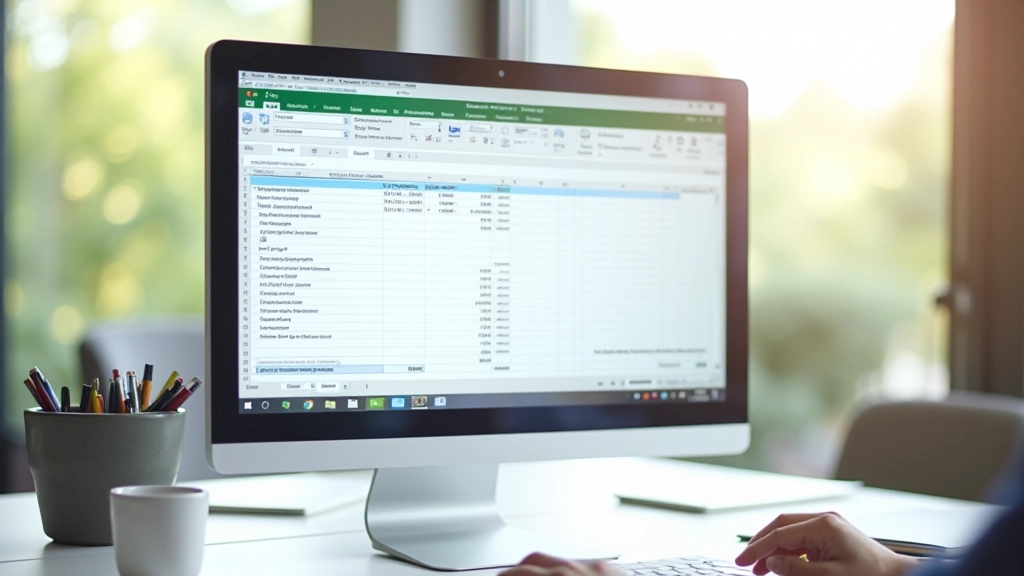
You don't need expensive software. We've tested simple tools that actually work. Plus free templates you can download.

Vancouver income fluctuates. Whether you got a raise, lost hours, or changed jobs, here's how to adjust without starting over.
This article is educational only and is not financial or investment advice. Outcomes are not guaranteed and may vary based on individual circumstances, income levels, and spending patterns. For personalized financial guidance, consult with a qualified financial advisor or professional.